Prices checked October 2026

Where to Buy BPC-157: Trusted Online Stores Reviewed

Trusted online stores selling BPC-157 peptide for research. We evaluate vendors on third-party testing, published COAs, transparent pricing and shipping records.

Where to Buy BPC-157: Trusted Online Stores Reviewed
Top pick
BPC-157
Peptide God

BPC-157

3.9 our rating

PeptideGod BPC-157 lyophilized vial. Competitive pricing, ships from California.

What we look at

Third-party testing

We look for a batch-level certificate of analysis published by the merchant.

Stated purity and fill

Purity percentage and milligrams per vial as stated on the product page.

Labeling and storage info

Clear research-use labeling, lot numbers and storage instructions.

Cost per milligram

Vials compared on price per milligram, not on sticker price.

The 3 picks, ranked

1
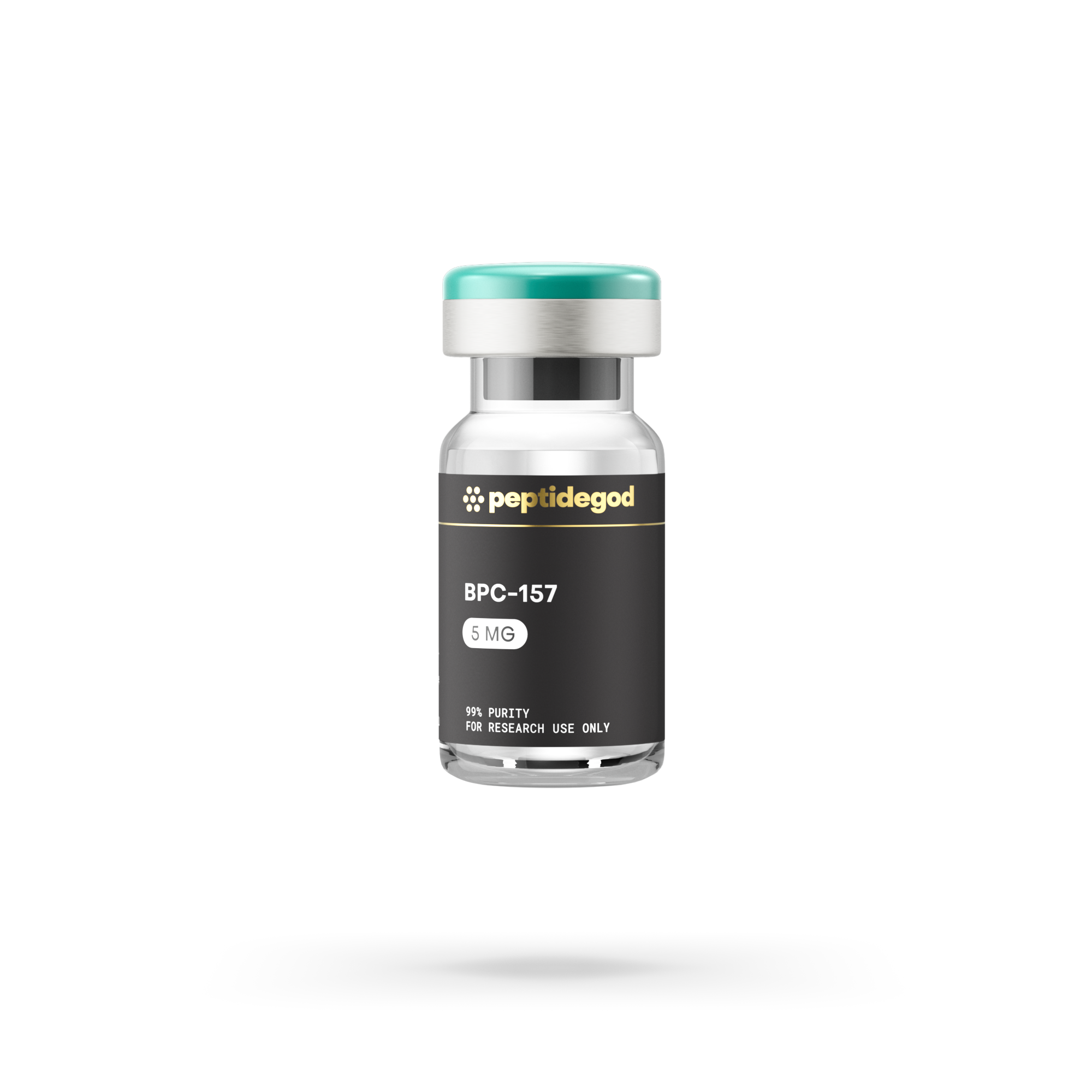
BPC-157
Peptide God

BPC-157

3.9 our rating

PeptideGod BPC-157 lyophilized vial. Competitive pricing, ships from California.

FormLyophilized powder
Size5mg vial
VendorPeptideGod
Ship fromUSA (CA)
Lowest starting price at $34.95 for a 5mg vial
Ships from Westminster, CA with confirmed US fulfillment
International shipping to 28 countries
No COA linked from the product page
No customer reviews visible on the site
2
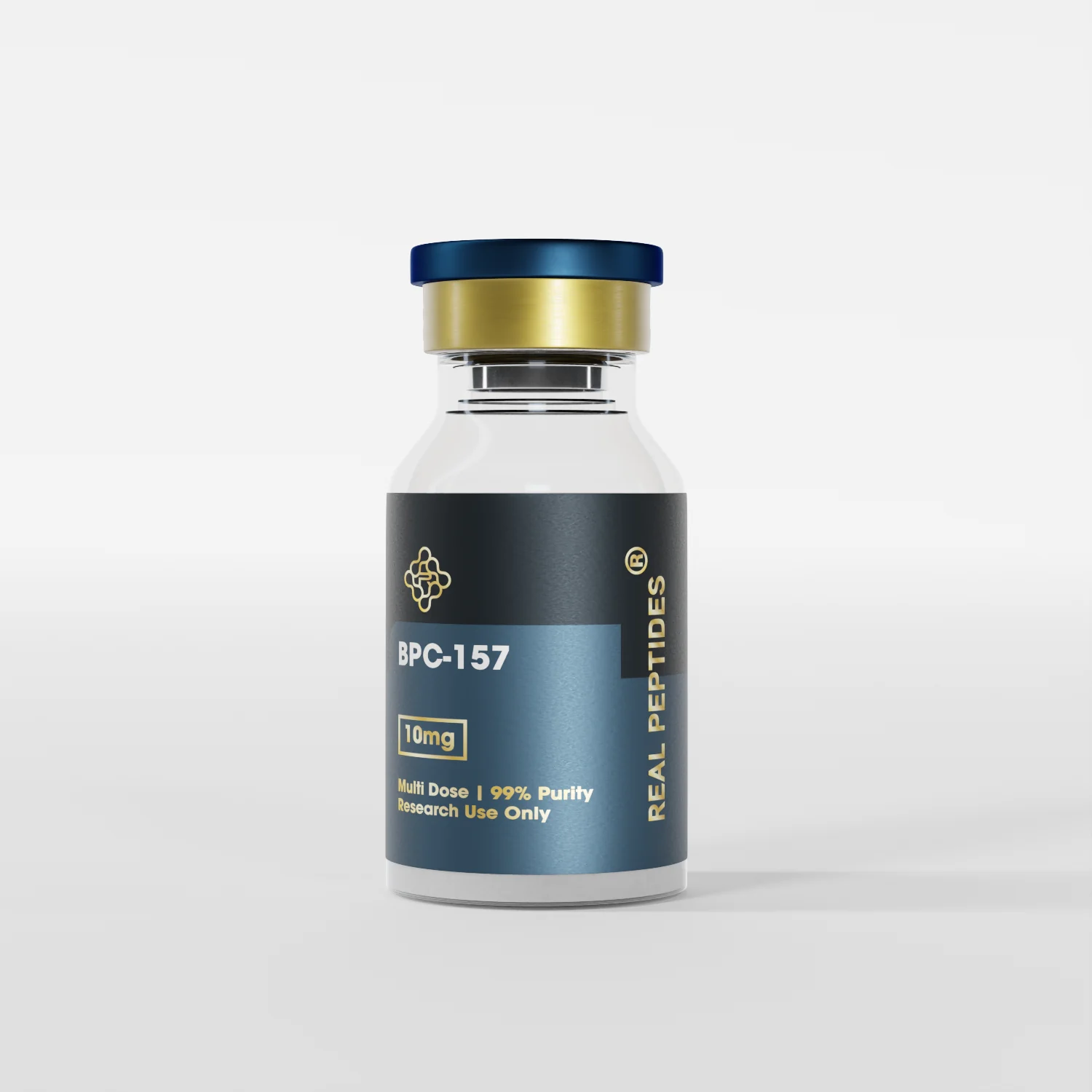
BPC-157 Peptide 10mg
Real Peptides

BPC-157 Peptide 10mg

4.3 our rating

Real Peptides BPC-157 10mg vial with HPLC-verified purity and published COA.

Amount10mg
Purity≥99% HPLC
FormLyophilized powder
COAPublished
10mg vial for better cost per milligram at $4.32/mg
HPLC purity ≥99% with published COA
Endotoxin screened at <0.1 EU/mg
Higher upfront cost at $43.20 per vial
Purchased through affiliate redirect link
3
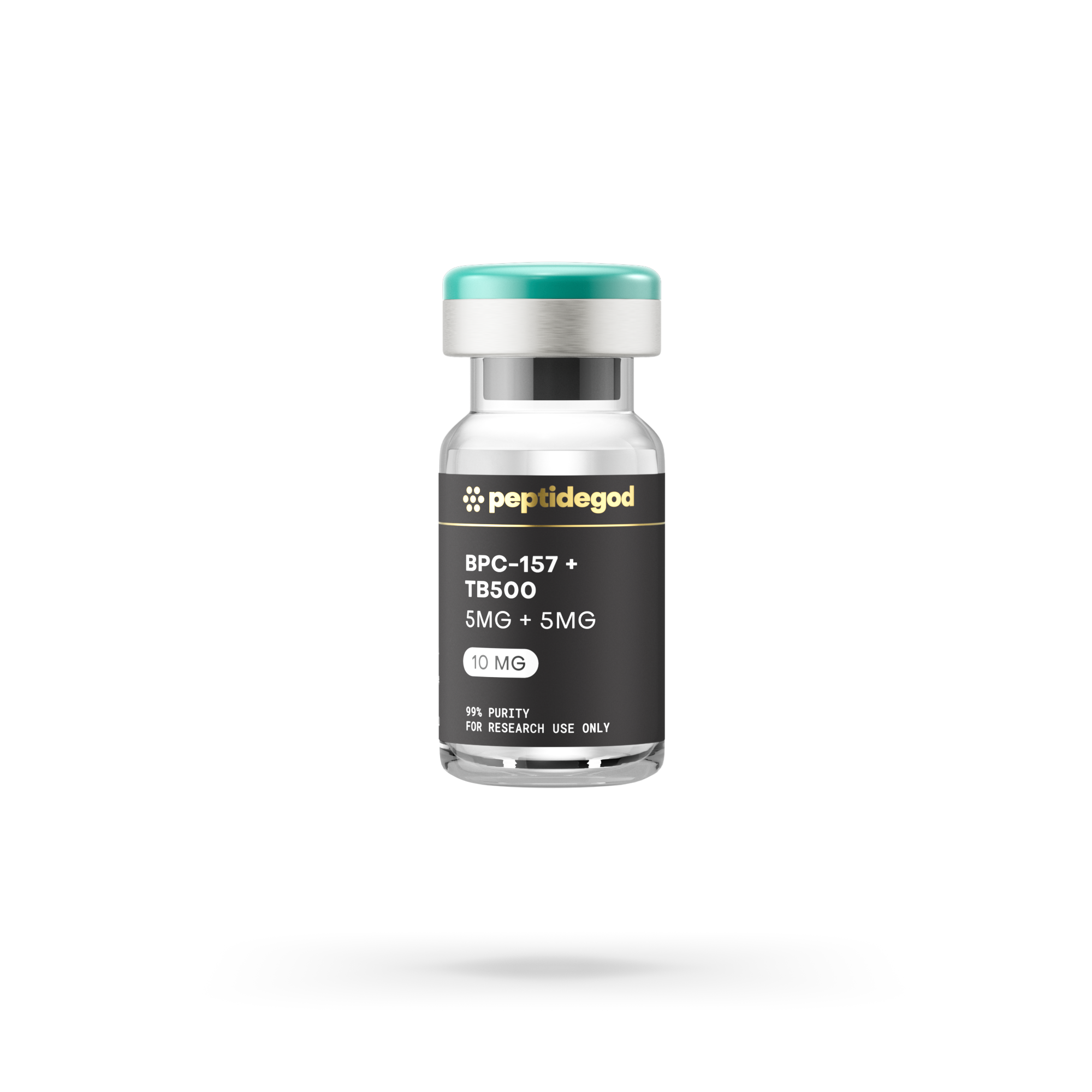
BPC-157 + TB500
Peptide God

BPC-157 + TB500

4.0 our rating

Pre-mixed BPC-157 and TB-500 blend from PeptideGod. One vial for the combined stack.

ContentsBPC-157 + TB-500
FormLyophilized blend
VendorPeptideGod
Price$59.95
Convenient pre-mixed blend saves handling two vials
Both peptides in a single vial at $59.95
Saves cost vs buying BPC-157 and TB-500 separately
Cannot adjust the BPC-157 to TB-500 ratio
No COA linked from the product page

Quick comparison

ProductFormSizeVendorShip fromPrice
Peptide God BPC-157Lyophilized powder5mg vialPeptideGodUSA (CA)$34.95
Real Peptides BPC-157 Peptide 10mgLyophilized powder---$43.20
Peptide God BPC-157 + TB500Lyophilized blend-PeptideGod-$59.95

If you have been looking for where to buy BPC-157, you know how complicated the market has become. There are numerous peptide vendors; however, only a few of them offer testing results to back up their claims. In this article, we took a look at two of the most popular companies in the United States, which are selling peptide products and evaluated them according to five trust factors. The current article includes our research approach, evaluation of each company, a comparative table, as well as tips on how to check the credibility of a peptide vendor. All information is obtained from the vendors’ websites as of October 2026.

How We Evaluate BPC-157 Online Stores

We are not willing to accept vendor claims blindly. Every outlet is judged using the same five criteria with each criterion having equal weight. If a vendor does not display anything on the product page, it is considered a failure for that criterion.

Trust CriterionWhat We CheckHow It Is Scored
Published COAIs a Certificate of Analysis linked from the product page with HPLC purity and endotoxin data?Pass if COA is publicly accessible before purchase; Fail if missing or behind a login
Third-party lab namedDoes the vendor disclose which independent lab performed testing?Pass if at least one lab is named; Fail if testing is claimed but unnamed
Price transparencyAre product price, vial size in mg, and shipping cost clearly stated?Pass if all three are visible; Partial if one is missing
Shipping disclosedAre warehouse location, shipping cost, and delivery scope published?Pass if origin, cost, and coverage are listed; Partial if incomplete
Contact/supportIs there an accessible contact method such as email, chat, or phone?Pass if at least one responsive channel exists

The structure has been designed to be straightforward. A supplier who fulfills all five criteria is not guaranteed to provide a flawless product, but suppliers who do not meet a number of criteria will make it impossible for you to know what you are buying. We adopt a similar approach towards reviewing injectable BPC-157 vial options.

Vendor Profiles -- Stores We Reviewed

PeptideGod -- Pricing, COA Status and Shipping

PeptideGod prices its BPC-157 at $34.95 for every vial. The formulation is a freeze-dried powder, and the product is supposed to contain a vial weighing 5 milligrams each. The rate per milligram becomes $6.99. Apart from this, PeptideGod also presents BPC-157 + TB-500 mix priced at $59.95 for the lyophilized formulation. The shipping is from Westminster, CA and is available to 28 countries.

There is a deficiency in the documentation of the testing procedures in this case. The BPC-157 product page does not connect to any Certificate of Analysis, and there are no references to any third-party testing facility on the company’s website. This does not imply that the product is untested, but rather that we cannot ascertain the purity, identity, or endotoxin concentration levels of this product based on the publicly available information.

Real Peptides -- Pricing, COA Status and Shipping

The site Real Peptides values BPC-157 at $43.20 for a vial with 10mg of it inside, which equals to $4.32 per mg. On the vendor’s website, the provided data says that the purity of this product is guaranteed to equal or exceed 99% and that endotoxin level does not exceed 0.1 EU/mg. There is a lot-specific certificate of analysis available for potential buyers.

Freedom Diagnostics and Kovera both carry out exams, as stated on their site. Through their catalogue company, Real Peptides has disclosed 157 certificates of analysis for 82 products available. Shipping is economical, costing just $9.95, while free shipping is available on orders of $250 or more. Also, bank Pay customers can enjoy a 10% discount. Most notably, we noticed that BPC-157 was out of stock at the time of our check, so always verify the latest stock information.

For a broader look at COA publishing trends, see our coverage of peptide vendors building searchable COA databases.

Trust Criteria Comparison Table

This is a comparison of the two suppliers in every aspect that we look at. Pass indicates that the information can be confirmed through the supplier’s site. Fail means it is not available. Partial indicates that there is certain information available.

Trust CriterionPeptideGodReal Peptides
Published COAFailPass
Third-party lab namedFailPass
Price transparencyPassPass
Shipping disclosedPassPass
Contact/supportPassPass
Trust Criteria Met
PeptideGod3
Real Peptides5
Our editorial assessment, October 2026

The main distinction lies solely with testing transparency. PeptideGod presents similar pricing and delivery as well as customer service with Real Peptides; however, it doesn't provide a good standing in terms of the two points that matter the most when it comes to verifying the content of the vial. In case you are asking yourself where to get BPC-157 with full documentation, Real Peptides is, theoretically, a better choice. For more details about buying advice, please refer to our guide to buying BPC-157 online safely.

What a Certificate of Analysis Should Include

A valid Certificate of Authenticity (COA) does not just comprise the company's logo and be available in PDF format. To be a valid COA, the document must contain specific identifiable pieces of information. A COA devoid of such information will fail to serve its purpose as an authentic document.

  • HPLC purity result with a percentage (98%+ is the standard expectation for research-grade peptides)
  • Mass spectrometry confirmation that the molecular weight matches BPC-157's known sequence
  • Endotoxin screening results, ideally below 0.5 EU/mg for injectable-format peptides
  • The name of the independent laboratory that performed the analysis
  • A lot number that corresponds to the specific batch you're purchasing
  • Date of analysis, so you know how recent the testing is

BPC-157 is a 15-amino-acid peptide derived from a human gastric juice protein, classified as a stable gastric pentadecapeptide in the research literature (Sikiric et al., 2018). Its identity can be confirmed through mass spectrometry. Any COA that omits mass spec data is providing an incomplete picture of the product.

Red Flags That Disqualify a Vendor

Professionalism does not always equal trust. Having seen countless peptide stores we can identify plenty of red flags that should be enough to steer you clear of a store. These are not issues that can be overlooked as even one of them is potential grounds for rejecting a vendor altogether.

  • No COA available anywhere on the site, or COAs that lack lab names, lot numbers, or dates
  • Claims of "pharmaceutical grade" BPC-157 (there is no FDA-approved BPC-157 product, so this term is misleading; the FDA's compounding guidance addresses this distinction)
  • Prices dramatically below market rate without explanation, which often signals underdosed or mislabeled vials
  • Product pages that list no vial size in milligrams, making price-per-mg calculation impossible
  • Stock photos instead of actual product images, or images copied from other vendors
  • No physical address, no customer support contact, or a domain registered less than six months ago

The ideal retailer for buying BPC-157 is one that allows scrutiny. Businesses that make it easier to verify their products have nothing to be concerned about, while those that complicate the verification process likely have something to hide.

When buying oral BPC-157 products available online, the same advice applies. Capsule vendors also need COA, and the testing can actually be more significant since the peptide levels in capsules are more variable than powder.

FAQ -- Buying from Trusted BPC-157 Stores

Which BPC-157 vendor has the best third-party testing?

When comparing the two vendors we analyzed, it appears that Real Peptides boasts the most solid program for third-party testing. The two laboratories it mentions to be conducting the tests are Freedom Diagnostics and Kovera, and Real Peptides makes its testing reports, or those called COAs, available on its website. By contrast, the vendor called PeptideGod does not provide COAs or information about the laboratories that carry out the tests.

Are there fake BPC-157 stores to avoid?

Yes. We've encountered sites that use stock product photos, list no COA, provide no physical address, and run on newly registered domains. Some sell "pharmaceutical grade" BPC-157, which doesn't exist since BPC-157 has no FDA approval for human use. Stick with vendors who publish verifiable testing data and have an established online presence. WADA lists BPC-157 as a prohibited substance under S0 (current prohibited list), so any store marketing it as an approved supplement is being dishonest.

How often should vendor testing be updated?

Each new production batch must be accompanied by its own certificate of analysis. Testing results must at least be updated for each batch. A vendor who displays an old certificate that is more than a year old and has already restocked several times since then would be in violation of this guideline, as the document would not apply to what one would currently find on the shelf. So we look only for certificates that are dated within the last three months of the production batch.

Can I verify a COA myself?

At times, you may also validate specific details. Confirm if the laboratory specified in the COA is a real lab that does peptide testing. Verify the indicated molecular weight against the factual value of BPC-157 (1419.53 Da for the free acid). Validate whether the COA's lot number corresponds to your vial. For more thorough verification, independent testing labs may validate testing of samples from consumers as well, with prices ranging from $100 to $300.

What if a store removes its COA page after I order?

Get a copy of the COA before you buy. Whether that means a screenshot of the document or saving the PDF and corresponding product page displaying the lot number. If a supplier removes the testing documents after you make a purchase, that should definitely be reported to consumer protection bodies. It could also mean that the COA was plagiarized or bogus.