Why Lyophilization Matters for Peptide Quality and Shipping
How freeze-drying preserves BPC-157 stability. The lyophilization process, purity impact and why nearly all research peptides ship as lyophilized powder.
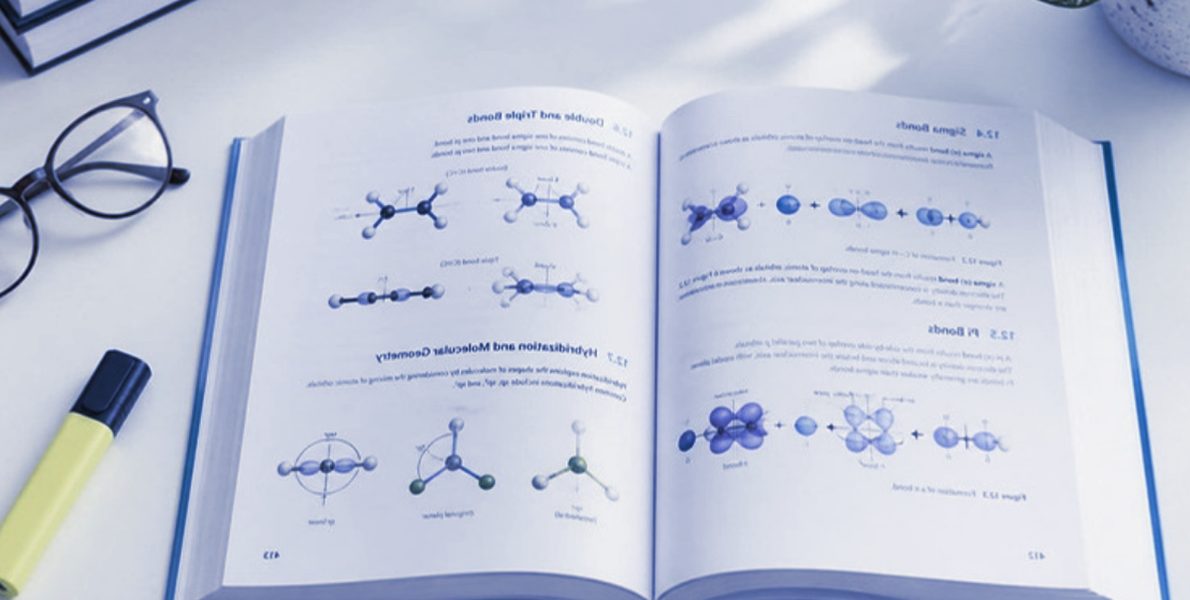
A peptide that is sealed in a vial has been placed on the warehouse shelf for three days during transportation at a temperature of 22 degrees Celsius. The powder inside the vial looks exactly the same as it did before being transported. This situation isn't simply a coincidence; it's a direct result of the lyophilization process, which is the process of freeze-drying the peptide solution. If you order lyophilization peptides such as BPC-157 online, knowing about this process will help you understand how the powder in the vial stays intact during transportation, why the reconstituted liquid product does not stay intact, and what information you should find on the vial before accepting it as safe to use.
What Lyophilization Does to a Peptide
Lyophilization is the direct evaporation of water from a peptide solution without the liquid phase. This produces a dry powder form of the peptide that minimizes the environmental conditions that may cause the degradation of the peptides.
The stability of peptides is compromised by water, which serves to interfere with the peptide bond in solution through hydrolysis. Hydrolysis involves the disruption of the peptide bond by water molecules. Oxidation of the peptide might also occur, especially in those cases in which the peptide in question has either methionine or cysteine residues. Both of the processes are affected by time and temperature. Peptide freeze-dried and kept at a temperature of minus 20 degrees Celsius does not undergo either of the processes since the water enabling such reactions has already been removed.
The practical outcome is measurable. Published stability data on research peptides shows that lyophilized forms retain greater than 95% purity after 24 months of proper storage, compared to reconstituted solutions that begin degrading within weeks (Sikiric et al., 2018). We see this reflected in how every reputable peptide vendor ships product as dry powder, never as pre-mixed liquid.
The Freeze-Drying Process in Four Stages
Lyophilization is more complicated than just placing one container in a freezer. It is an intricate process of multiple stages that involves very precise parameters and highly specialized equipment.
- Formulation. The synthesized peptide is dissolved in a buffer solution, typically containing a cryoprotectant like mannitol or trehalose. This protects the peptide's three-dimensional structure during the freezing step.
- Freezing. The solution is cooled to -40 degrees Celsius or below. Ice crystals form throughout the solution, and the peptide becomes trapped in the interstitial spaces between those crystals.
- Primary drying. A deep vacuum is applied to the chamber. Under low pressure, the ice sublimates directly into water vapor without melting. This stage removes the bulk of the water and can take 24 to 48 hours depending on vial volume and fill depth.
- Secondary drying. The temperature is gradually raised under continued vacuum to desorb bound water molecules that did not freeze during the initial step. The target is a residual moisture content below 3%.
That 3% residual moisture threshold is not arbitrary. Research on peptide and protein stability has shown that moisture levels above 3 to 5% significantly increase the rate of chemical degradation during storage (Wang, 2005). Vendors who publish Certificates of Analysis with residual moisture data are giving you a direct indicator of how well the lyophilization was performed. If a COA omits moisture content entirely, you have no way to assess drying quality. Our page on peptide vendors publishing searchable COA databases tracks which sellers provide this level of detail.
Why Lyophilized Peptides Ship Better Than Liquids
Shipping logistics clarify why all vendors of BPC-157 we keep track of are selling powdered lyophilized products rather than ready-to-use solutions. There are significant differences in stability, packaging requirements and costs involved.
| Form | Shipping Requirements | Stability Window | Cold Chain Needed |
|---|---|---|---|
| Lyophilized powder | Ambient temperature OK | 24-36 months at -20 degrees C | No |
| Liquid / reconstituted | Refrigerated | 28-60 days at 2-8 degrees C | Yes for long transit |
| Pre-mixed solution | Cold chain required | Weeks | Yes |
A lyophilized vial can remain inside the truck at room temperature during the transportation for days without compromising its purity levels. This indicates that there is no need for any gel packs, insulated boxes, or overnight delivery. For orders being delivered domestically via ground within 2 to 5 business days, the environmental conditions are perfectly feasible without requiring cold storage methods. We have carefully analyzed the shipping information provided by a number of suppliers and found out that no one of them needs cold shipping for sending lyophilized peptide orders within the US.
The significance of the weight savings should also be considered. The weight of a vial with powder product is only a fraction of that of a vial with liquid content; hence, it ultimately means lesser shipping costs worldwide. For wholesalers processing numerous orders weekly, that difference accumulates considerably. It means that the buyers spend less money on shipping and face simpler processing of their shipments upon arrival.
The benefit of long-term storage becomes substantial. If a lyophilized BPC 157 vial is sealed properly and kept in a refrigerator at -20 degrees Celsius, it will retain more than 95% of its initial purity for two years or more. However, the same peptide in solution starts to degrade within weeks even at refrigeration temperature. As soon as you add the bacteriostatic water, time starts ticking again. Please refer to our page on BPC-157 storage temperature before and after reconstitution for details on the effects of reconstitution.
What to Check on a Lyophilized BPC-157 Vial
Not all vials containing lyophilized items are the same. Quality control is paramount throughout the entire production process, and knowing what to watch for allows one to spot the issues even before reconstitution occurs.
- Cake appearance
- Uniform white to off-white powder or cake
- Seal integrity
- Flip-off cap intact, no visible cracks in glass
- COA purity
- HPLC purity reported, ideally 98% or higher
- Residual moisture
- Below 3% on Certificate of Analysis
- Label accuracy
- Peptide name, mg amount, lot number, storage conditions
The appearance of cake in the freezing process is the first visual evaluation. A properly lyophilized peptide results in the formation of a uniformly white and off-white powder down at the bottom of the glass container. The presence of a cake in a collapsed condition, its color being discolored (in yellow and brown hues), or sticking to the wall of the glass container in an irregular pattern may imply that something went wrong with the freezing-drying process. The partial collapse of the cake can indicate the possible exposure of the freezing-drying product to higher temperatures than those required during the primary drying process. The cake’s collapse does not mean that the peptide is destroyed. However, the collapse raises some questions about the processes used.
Seal integrity is easy to assess. The aluminum flip-off cap should be in place and tight. The rubber stopper underneath should appear stable. The glass container should show no cracks, chips, or stress marks. If the seal has been broken, the sterile environment inside the container has been compromised and moisture from the outside air may have leaked into the peptide. We advise you to check the container when it is received, and prior to storing.
The main verification document for you is the Certificate of Analysis (COA). At the very least, it gives you the HPLC purity rating, which should be 98% or above for research-grade BPC-157. Residual moisture content is another important piece of information for you. If the residual moisture is less than 3%, you can be sure that the secondary drying was done correctly. The COA becomes a better identification document when it includes the mass spectrometry results showing the molecular weight (which is around 1419.5 daltons in the case of BPC-157). If companies do not publish COAs, you will not be able to verify anything about the content of the vial of substances after you have opened it.
FAQ -- Lyophilization and Peptide Quality
What does lyophilized mean on a peptide vial label?
The term "lyophilized" indicates that the peptide has undergone freeze-drying. The manufacturer dissolved the peptide in a buffer and froze it, following which the water was removed through vacuum sublimation. The resultant dry cake is what remains in the vial. You must add either bacteriostatic water or sterile water to rehydrate it before using it for research purposes.
Is lyophilized BPC-157 the same as regular powder?
In practical terminology, that indeed is correct. With regard to all vendors who describe their BPC-157 vials as "powder" or "lyophilized powder," they refer to the same product formulation; lyophilization is the very process that converts peptide solution into powder. The vial labeled as "powder" almost definitely comes from lyophilization as this is the usual manufacturing procedure for research peptides. The importance of this differentiation lies only in comparing with liquids or pre-mixed products, which have shorter stability and different storage conditions (Constantino & Pikal, 2004).
Does lyophilization affect peptide purity or potency?
When done effectively, lyophilization retains purity and efficacy. The method does not change the amino acid sequence or the bioactivity of the peptide. Risks of degradation arise from insufficient freeze rates, not enough vacuum in the drying process, or high moisture level above 3% in the finished product. A COA showing high HPLC purity and low residual moisture confirms that the lyophilization was carried out properly.
Keep reading
Payment Processors Tighten Rules on Peptide Sales in 2026
Payment processor restrictions affecting online peptide vendors in 2026. Which gateways flag research chemical merchants and what BPC-157 buyers should expect.

BPC-157 Storage Temperature — Before and After Reconstitution
Store BPC-157 lyophilized powder at room temperature and reconstituted solution refrigerated. Stability data, shelf life and transit tolerance explained.
Peptide Vendors Are Publishing Searchable COA Databases
Some peptide vendors now publish searchable COA databases with batch-level lab results. Real Peptides offers 157 certificates across 82 compounds.
Compare the current picks
Prices, sizes and ratings side by side, updated when the merchant pages change.
Shop BPC-157