BPC-157
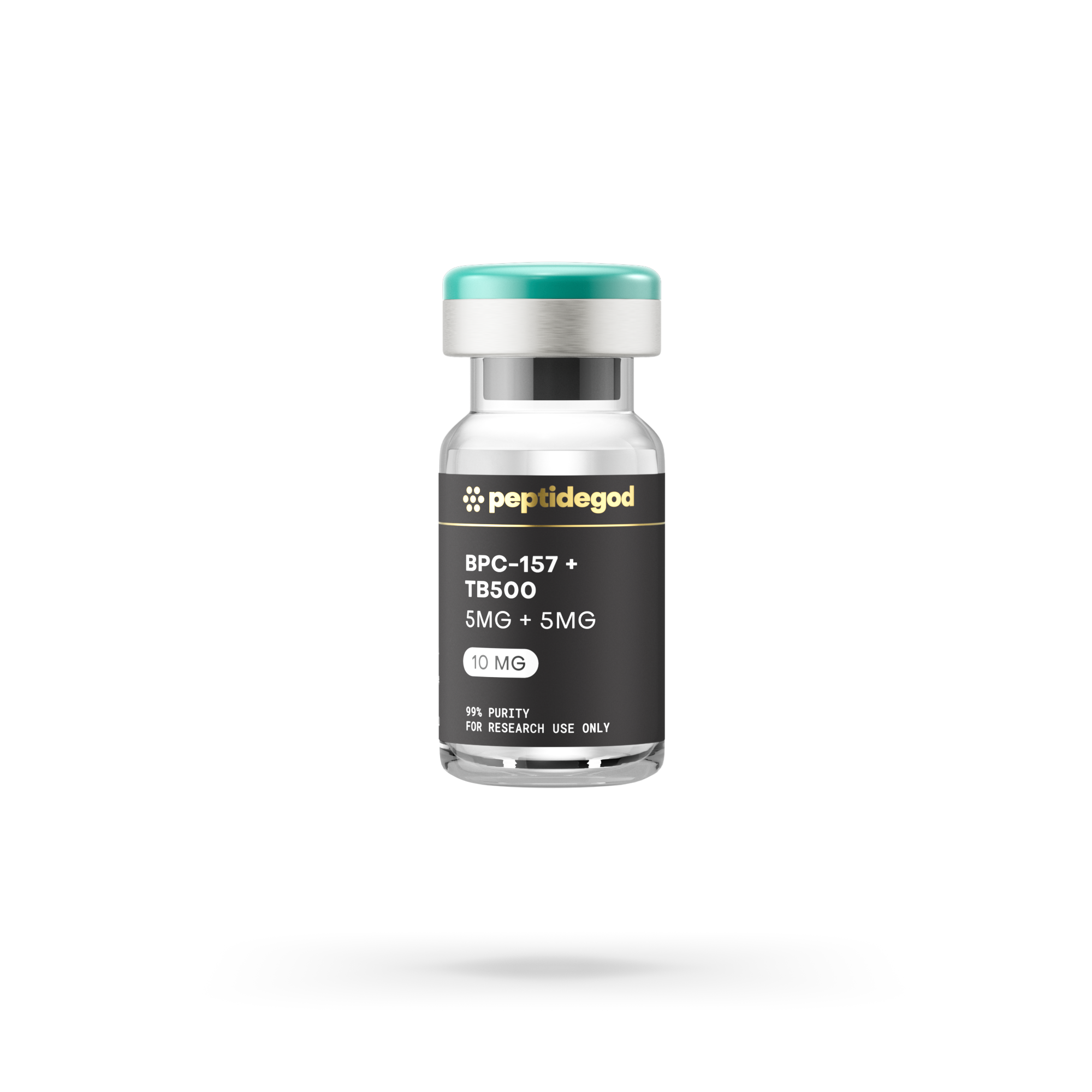
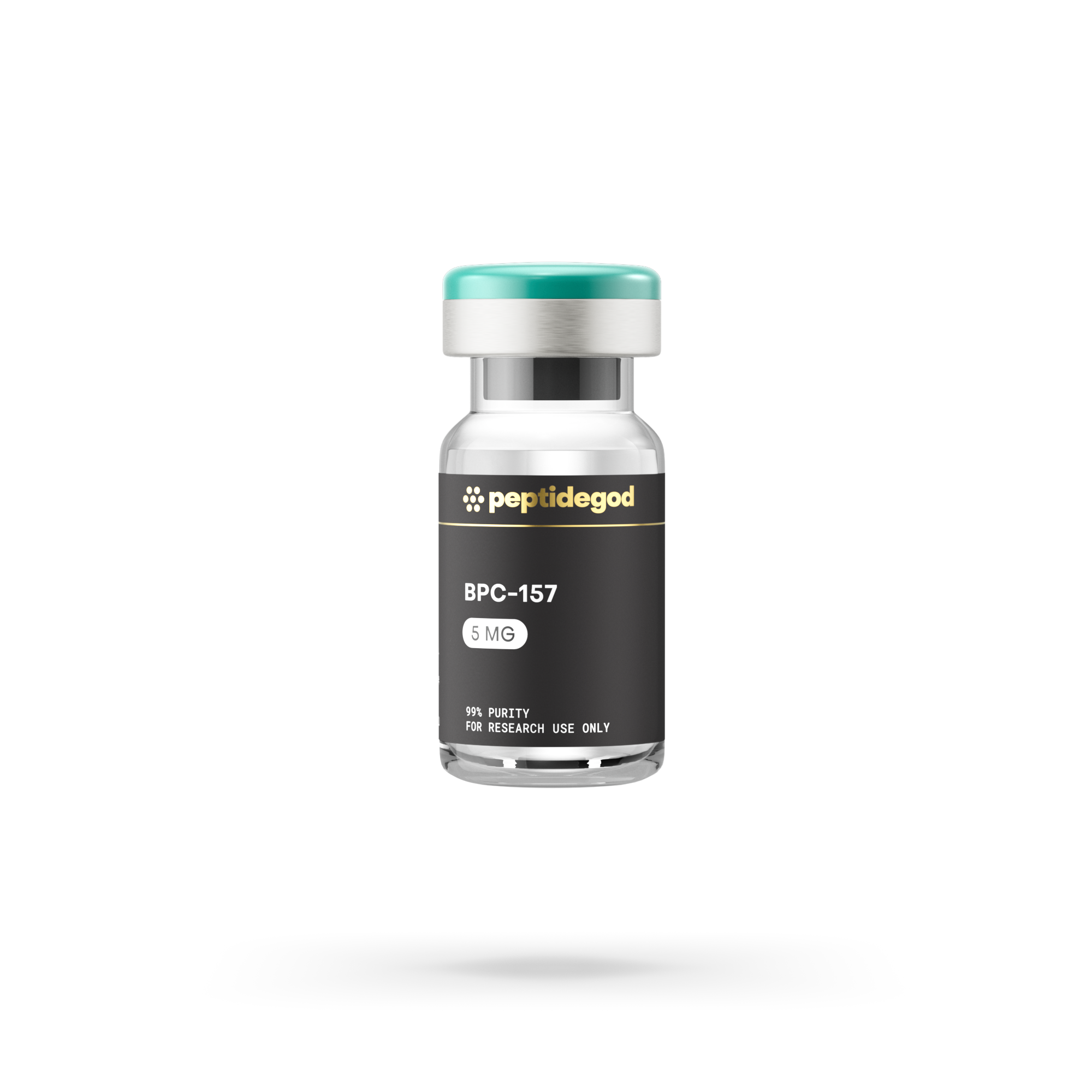
PeptideGod BPC-157 lyophilized vial. Competitive pricing, ships from California.
Compare BPC-157 vendors by price per mg, COA documentation and shipping speed. Products with pricing, purchase steps and store comparison table.
Ranked on the criteria below. Prices and ratings come from the merchant pages.
PeptideGod BPC-157 lyophilized vial. Competitive pricing, ships from California.
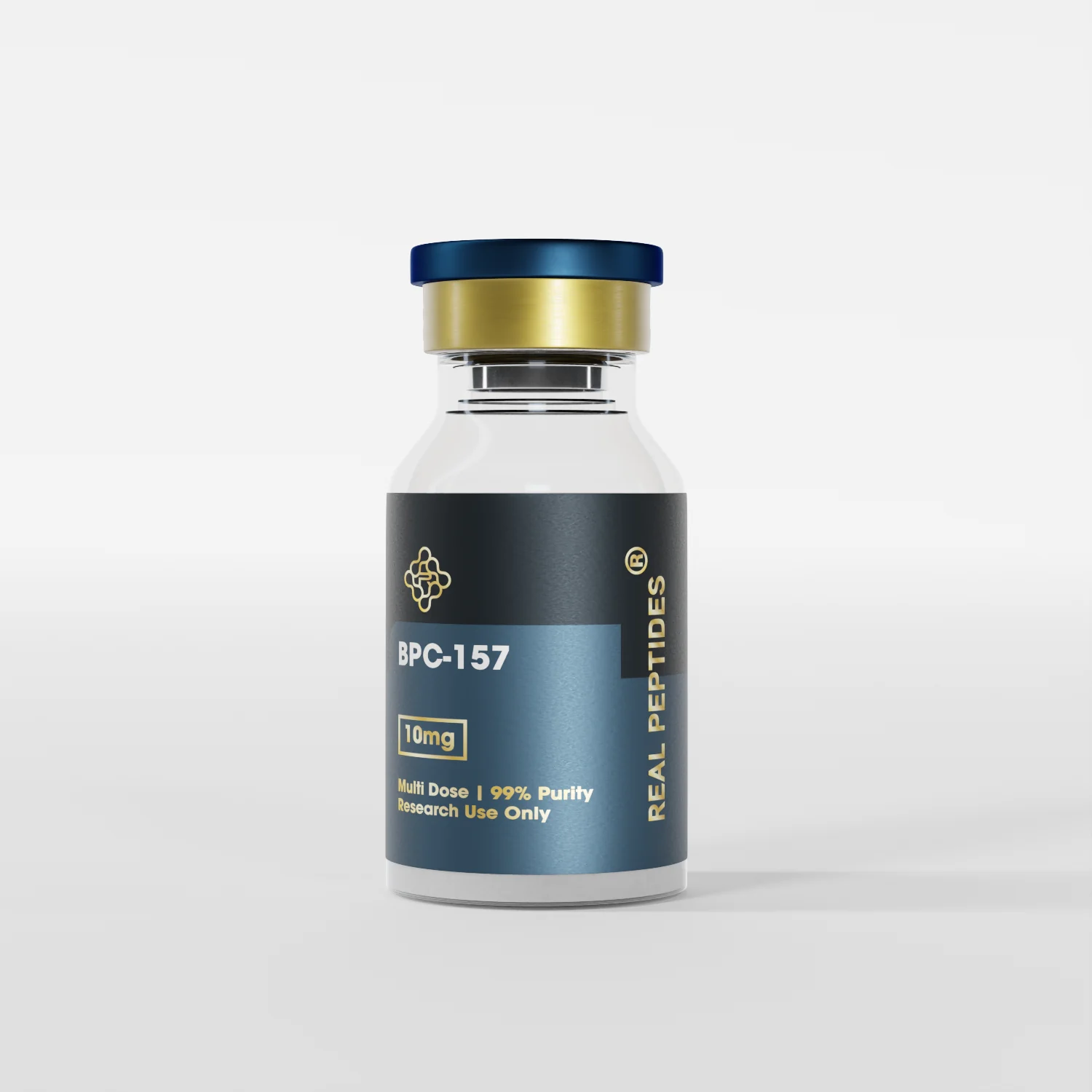
Real Peptides BPC-157 10mg vial with HPLC-verified purity and published COA.
Pre-mixed BPC-157 and TB-500 blend from PeptideGod. One vial for the combined stack.
We look for a batch-level certificate of analysis published by the merchant.
Purity percentage and milligrams per vial as stated on the product page.
Clear research-use labeling, lot numbers and storage instructions.
Vials compared on price per milligram, not on sticker price.
If you're looking to buy BPC 157 online, the first thing you'll notice is that prices, testing transparency and stock status vary wildly between vendors. BPC 157 is a 15-amino-acid synthetic peptide sold strictly for research use, and the market for it is unregulated. We reviewed the vendors currently shipping from the US, compared their prices per milligram, checked whether each one publishes a Certificate of Analysis, and laid out the results below so you can make a faster, better-informed decision.
Cost per milligram is the most accurate measure for analyzing peptide prices across vial sizes. While one may see a lower price, the vial may actually be smaller. The information below is based solely on numbers taken from product pages of each company.
| Product | Vendor | Vial Price | Amount | Price/mg | Purity | COA on Page | Stock |
|---|---|---|---|---|---|---|---|
| PeptideGod BPC-157 | PeptideGod | $34.95 | 5 mg | $6.99 | Not stated | No | In stock |
| Real Peptides BPC-157 10 mg | Real Peptides | $43.20 | 10 mg | $4.32 | ≥99% (HPLC) | Yes, per lot | Out of stock |
| PeptideGod BPC-157 + TB-500 | PeptideGod | $59.95 | Blend (not specified per peptide) | N/A | Not stated | No | In stock |
Real Peptides is sold for $4.32 per milligram and provides a relevant Certificate of Analysis as well as having detectable endotoxin levels of under 0.1 EU/mg. The cost of PeptideGod’s 5 mg vial is $6.99 per mg but comes without a Certificate of Analysis. The blend vial contains two different peptides in an undisclosed ratio that cannot be broken down to the cost per mg. The Real Peptides product code is RP-BPC10V. The buyer can also benefit from a discount of 10% from Bank Pay, which means that the overall cost of the product can be lowered to $3.89/mg.
Buying a research peptide online does not have to be a difficult process; however, it is essential to follow the steps correctly in order to avoid wasting money or compromising product quality.
To begin with, confirm that the vendor has made available a Certificate of Analysis on the product page where it’s stated. The COA should comprise necessary information on HPLC purity and ideally the results of the endotoxin testing. If no COA can be found on the page and no reference to third-party testing is present, nothing can help to verify the contents of the vial. Real Peptides has COAs for its products along with the HPLC verification of the data. PeptideGod does not provide a COA for its BPC-157 product pages. This doesn’t constitute evidence of the product being tested or untested, but confirms that you won’t be able to check the purity in advance.
It is essential to always refer to the price per milligram cost of the vial. For example, if a vial costs $35 and has 5 mg of peptide, the price will be $7.00/mg. However, if a vial costs $43 and contains 10 mg the price will be $4.30/mg. Hence, the second vial costs almost 40% less. Be careful with vendors who do not provide the amount in mg as such cases make comparisons useless.
Both companies send the products from the US. PeptideGod delivers from Westminster, CA to 28 destinations and Real Peptides operates from Florida and California and provides shipping for $9.95 in the USA and free shipping if purchases surpass $250. After ordering the package the customers receive their tracking number in 1-2 working days. The company’s products are in crystalline form and so proper cold-chain handling during transit is crucial for the preservation of the peptides.
We have identified two vendors located in the US who are currently selling BPC-157 products. The following table summarizes the items offered by each of these vendors, their shipping options, and whether customers can view testing documentation before making payment.
| Store | BPC-157 Products | Price Range | COA Status | Shipping | Payment Methods |
|---|---|---|---|---|---|
| PeptideGod | BPC-157 (5 mg), BPC-157 + TB-500 blend | $34.95 - $59.95 | Not published on product page | Ships from CA, 28 countries | Credit card, cryptocurrency |
| Real Peptides | BPC-157 10 mg | $43.20 | Lot-specific COA with HPLC and endotoxin | Ships from FL and CA, $9.95 domestic, free at $250+ | Bank Pay (10% discount), credit card |
Both the vendors are not recommended by this site. We report only what is available on their respective product pages. Updates of the stock status happen very frequently and Real Peptides BPC-157 10 mg was mentioned being out of stock at the time of the last survey.
BPC 157 shows up in over a hundred published preclinical papers, which is a lot of attention for a compound with zero FDA-approved uses. Here's what the science actually says.
BPC refers to Body Protection Compound. This peptide is a part of a larger protein often found in human gastric juice. Its sequence of amino acids is GEPPPGKPADDAGLV, and the molecular weight is around 1419.5 dalton. It doesn’t exist in the body as a separate molecule. All the vials that can be purchased are made in a laboratory using solid-phase peptide synthesis. The "157" here is only a catalog designation given by the original research group from the University of Zagreb, Croatia, that is headed by Predrag Sikiric (Sikiric et al., 2010).
The implication is that the suppliers provide BPC-157 in the form of lyophilized powder in sealed glass vials. It is used through reconstitution using bacteriostatic water.
The bulk of BPC 157 research involves rodent models. Studies have reported observations across gut mucosal protection, tendon and ligament repair, muscle recovery, bone healing and vascular function. A 2018 review described the peptide as a "stable gastric pentadecapeptide" with effects on nitric oxide pathways, VEGF expression and the FAK-paxillin signaling cascade in animal tissue (Sikiric et al., 2018). Rat Achilles tendon studies measured higher load-to-failure in BPC-157-treated groups. Gastric lesion models showed reduced ulcer area after ethanol and NSAID exposure.
All of this data has been sourced from animals and cell cultures. No large randomized controlled trial in people has been conducted and published. The phase II Croatian trial study for inflammatory bowel disease has been reported years ago but no results are accessible in public databases. There is a noticeable gap between findings on rodents and outcomes in humans.
We created a scoring system so that comparisons remain consistent in all analyses on this site. Each vendor's product page has been rated according to five criteria which are weighted according to their influence on the confidence of the researcher in what's inside the vessel.
| Criterion | Weight | What We Check |
|---|---|---|
| COA visibility | 30% | Is a Certificate of Analysis published on the product page before purchase? Does it include HPLC and endotoxin data? |
| Stated purity | 25% | Does the page claim a specific purity percentage verified by a named analytical method? |
| Labeling completeness | 20% | Are vial size in mg, SKU, storage conditions and ingredients clearly listed? |
| Price per milligram | 15% | Calculated from the listed price divided by stated mg content. Vendors that omit mg lose points here. |
| Shipping and stock transparency | 10% | Are shipping origin, cost, delivery timeframe and current stock status clearly displayed? |
We do not take into consideration affiliate connections, brand name reputation or customer feedback from online forums. The rating only shows what is documented on the product page.
This is an important topic that deserves its own section. BPC-157 has yet to receive FDA approval for any human use. The #FDA's guidance on bulk drug substances# does not contain BPC-157 in its formulation. The agency has pointed out that it lacks enough data to determine if the product is safe for human use and has cited BPC-157 among other compounds that may pose safety concerns for compounded products.
In relation to sports, the usage of the World Anti-Doping Agency (WADA) prohibits BPC-157 is prohibited in accordance with section S0 (Non-Approved Substances). The athletes to be tested should regard it as forbidden both while in preparation and during the competitions.
The products found on this website are labeled as research products. None of the content on this website is to be considered medical advice, a treatment recommendation, or a suggestion for using any substance on one's own.
Payment processor restrictions affecting online peptide vendors in 2026. Which gateways flag research chemical merchants and what BPC-157 buyers should expect.
Store BPC-157 lyophilized powder at room temperature and reconstituted solution refrigerated. Stability data, shelf life and transit tolerance explained.
Some peptide vendors now publish searchable COA databases with batch-level lab results. Real Peptides offers 157 certificates across 82 compounds.
Every guide and ranking on this site is checked by a named reviewer before it is published.
BPC-157 is sold as a research chemical in the US, and purchasing it for laboratory use is not prohibited under federal law. It is not approved by the FDA as a drug or dietary supplement, so vendors cannot legally market it for human consumption. WADA-tested athletes should be aware that BPC-157 is on the prohibited list.
Among the two vendors we track, prices range from $4.32/mg (Real Peptides, 10 mg vial at $43.20) to $6.99/mg (PeptideGod, 5 mg vial at $34.95). The Real Peptides Bank Pay option drops the effective price to roughly $3.89/mg. Always divide the total price by the stated milligram amount to get the true cost.
The PeptideGod operates from its warehouse in California and sends shipments to a total of 28 countries. The Real Peptides Company sends out its products within the United States from California and Florida. The availability of international shipments is determined by the manufacturers and the regulations for importing research peptides vary from one country to another. So you will need to know the applicable laws in your area before ordering.
PeptideGod accepts payment by credit cards and crypto currencies. Real Peptides allows the use of credit cards and a Bank Pay option, which includes a 10% discount. Payment processing for peptide vendors is constantly changing, so be sure to confirm which option will be accepted at checkout.
A valid Certificate of Analysis would contain details related to the analytical method (mostly HPLC), purity percentage, lot or batch number, and date of testing. The results of the endotoxin test can provide further assurance. You can always cross-check the lab name mentioned in the COA to see if it is indeed a testing facility. If the manufacturer does not share a COA in any form, there is no way of knowing what is inside the vial without getting external confirmation.
Yes. BPC-157 is an unapproved research compound with no completed human clinical trials establishing its safety profile. Anyone considering it should discuss the decision with a licensed healthcare provider, particularly if they take prescription medications or have existing health conditions. This site provides product comparisons for informational purposes only.