Buy BPC-157 Online vs Offline — Routes Compared
Online research vendors, telemedicine providers and compounding pharmacies compared for BPC-157. What each channel actually offers and costs in 2026.
Most people searching to buy BPC 157 online end up on a research peptide vendor's product page within the first three clicks. That makes sense: online stores are the easiest, fastest, and often cheapest route. But they are not the only route. Telemedicine platforms and compounding pharmacies also intersect with the peptide space, though the overlap with BPC-157 specifically is smaller than most buyers expect. I spent several weeks mapping out every legitimate channel available in 2026, comparing what each one actually delivers, and checking which adjacent wellness brands people mistakenly associate with BPC-157 sales. The results are below. For a broader look at who sells BPC-157 online, see our guide to buying BPC-157 online safely in 2026.
Three Ways to Access BPC-157 in 2026
The purchase market is divided into three different channels that have distinct legal structure, pricing scheme, and document standards. Knowing what each of these channels entails will save time and help avoid making purchases from incorrect channels.
Online Research Peptide Vendors
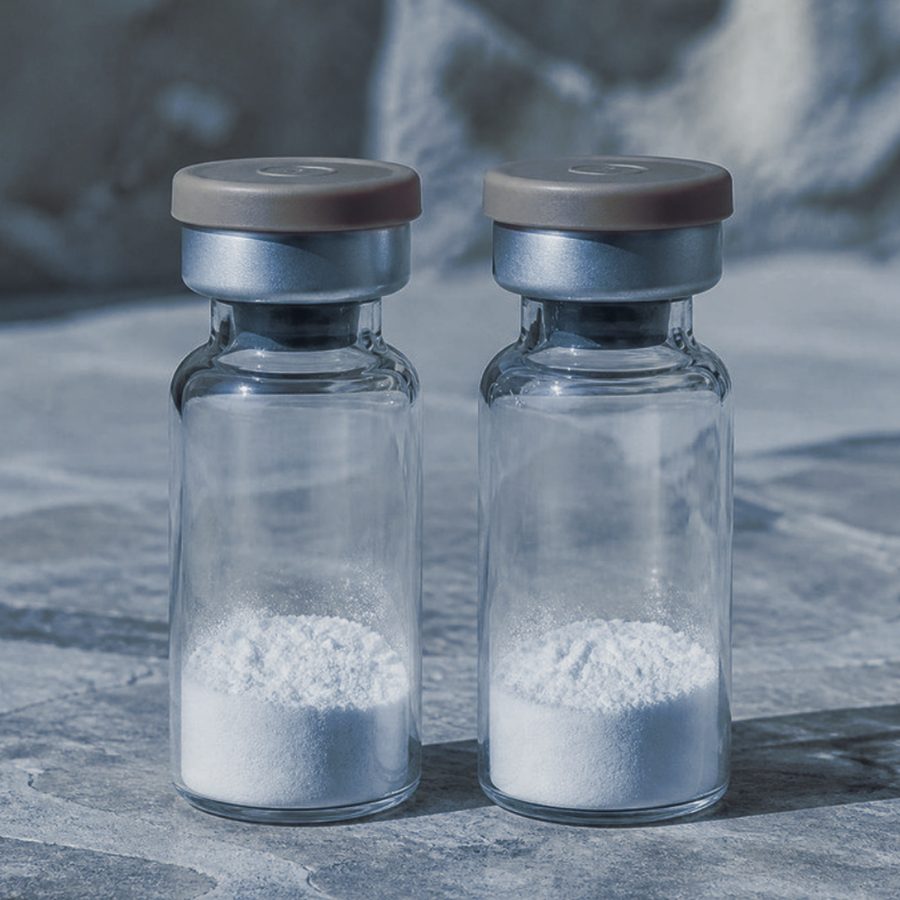
This is the place where BPC-157 transactions take place. Peptide vendors provide lyophilized powder in sealed vials and keep it strictly for laboratory and research purposes. You do not need a prescription to buy it. The price goes from approximately $34.95 to $43.20 per vial depending on the vendor and the size of the vial. It takes 2 to 7 working days to deliver to any address within the United States. The reasoning is very simple. These are research chemicals, and not drugs or supplements. Buying them for non-human research is allowed by law.
The compromise is quality assurance. Certain vendors provide HPLC purity data in their Certificates of Analysis. Others do not. There is no regulatory agency to monitor these vendors like the FDA monitors pharmaceutical companies. So it is up to the buyer to ensure that regulations are met.
Telemedicine Providers with Compounded Formulas
The telehealth platforms have come a long way to dominate the peptide and wellness industry. Some clinics previously provided compounded BPC-157 through licensed prescribers partnering with either 503A or 503B compounding pharmacies. One will need a prescription to procure the product, and that will lead to receiving a compounded injectable instead of a raw research powder.
The stream has been very focused. In April 2026, FDA removed 12 peptides from Category 2 has created a situation when it will need to prepare a list of bulk substances causing difficulties in the production of renowned peptides like BPC-157. Certain telehealth clinics have completely excluded BPC-157 from their formulations. Other clinics are still providing it but only in some states where local regulations allow it.
Compounding Pharmacies with a Prescription
If you want BPC-157 to be prepared, a licensed compounding pharmacy must acquire it through a prescription from a prescriber and buy the raw component following specific regulations. This option has the highest cost and the most difficulties because various problems may occur. You must find a physician who is ready to prescribe this experimental peptide to a compounding pharmacy that is also willing to produce it. The turnaround of the process can vary from the same-day pickup up to waiting for several weeks for the delivery depending on the situation.
Quality control at compounding pharmacies operates under FDA and state board oversight, which provides a layer of accountability that research vendors lack. However, quality still varies between pharmacies. The FDA's bulk drug substance framework sets the rules, but enforcement has not been uniform.
Channel Comparison Table
| Channel | Prescription Needed | BPC-157 Available | Price Range | COA | Delivery Time | Legal Basis |
|---|---|---|---|---|---|---|
| Online research vendors | No | Yes | $34.95 - $43.20 | Varies by vendor | 2 - 7 days | Research use |
| Telemedicine clinics | Yes | Varies by clinic | Higher (consult + product) | Clinic-dependent | Clinic-dependent | Prescription |
| Compounding pharmacy | Yes | If compounded | Highest | Pharmacy standards | Pickup or mail | Prescription |
The table illustrates the essential trade-off. E-research service providers present the most affordable prices and immediate availability with no need for a prescription. While telemedicine and compounding options ensure medical supervision and regulatory compliance, they are more expensive and slower. For researchers looking to understand the pricing of the two major online service providers, our PeptideGod vs Real Peptides comparison shows the different prices and COA documents in detail.
Online Research Vendors -- PeptideGod and Real Peptides
At present, we follow two local suppliers engaged in the sale of products made with the help of BPC-157. These two companies sell lyophilized powdered products using warehouse inventory. The various aspects of these two products concern price structure, vial volume, and availability of purity documents prior to purchase.
- PeptideGod BPC-157
- $34.95 / 5 mg ($6.99/mg)
- Real Peptides BPC-157
- $43.20 / 10 mg ($4.32/mg)
- Real Peptides COA
- Published (HPLC + endotoxin)
- PeptideGod COA
- Not linked on product page
PeptideGod ships from Westminster, CA and lists its BPC-157 at $34.95 for a 5 mg vial. The product page does not link a Certificate of Analysis, does not state a purity percentage, and does not name a testing laboratory. The lower sticker price is appealing, but the per-milligram cost of $6.99 is actually 62% higher than Real Peptides when you account for the smaller vial.
Real Peptides offers a 10 mg vial priced at $43.20 and provides lot-specific certificate of analysis showing an HPLC purity of at least 99% and an endotoxin level of less than 0.1 EU/mg. Freedom Diagnostics and Kovera conduct the testing. A Bank Pay option reduces the actual price to about $3.89 per milligram. However, Real Peptides BPC-157 10 mg is currently out of stock. You can check their website regarding restocking information.
Both sellers are selling these items only for research purposes. Neither of them is FDA approved. The two sellers we have evaluated provide their BPC 157 peptide online. For a wider choice of suppliers visit BPC-157 peptide for sale online seller reviews.
Telemedicine and Adjacent Brands
Telehealth has transformed the way individuals obtain peptides, hormones, and wellness materials. That said, not all businesses of this type in the wellness sector provide BPC-157. A couple of names that come up often in peptide searches would be BiltRx and DoctorDerm. Unfortunately, neither company offers BPC-157, meaning folks are wasting time confusing these companies with peptide suppliers.
BiltRx -- Telehealth Wellness Platform
BiltRx is an online health platform located in Houston, TX. Their offerings focus on semaglutide (with prices starting at $81 per month), NAD+ therapy, as well as other compounds associated with metabolic and longevity. The company does not carry BPC-157 or research peptides. BiltRx is a certified online health service provider that complies with the laws in the field of prescription drugs. Should you have found BiltRx in your quest for BPC 157 online, you are mistaken. BiltRx belongs to a wider wellness market and is not involved in peptide sales at all.
DoctorDerm -- Prescription Copper Peptide Complex
DoctorDerm offers a copper peptide skin complex that customers can buy for a recurring price of $74.50 every month through a subscription service. It requires a prescription which can be obtained through a telemedicine consultation. The product is a topical formulation that is centered around GHK-Cu (copper peptide) which is not to be confused with BPC-157 even though both compounds have the word "peptide" in their names. In that regard, DoctorDerm does not act as a research peptide supplier, but rather as a telemedicine brand focused on skin care. For readers interested in products that contain copper peptides specifically, please see our review of a related product at Neurogan Health GHK-Cu Copper Peptide Face Cream page.
What Telemedicine Can and Cannot Offer for BPC-157
A limited number of telemedicine clinics matched patients with prescribers able to prescribe compounded BPC-157 from pharmacies with which they had established partnerships prior to April 2026. However, the FDA's action to list 12 peptides in Category 2 of bulk drug substance evaluation list put an end to this process. Category 2 substances are those undergoing evaluation for their potential to be added on the approved list of compounding agents. When this category was removed, the FDA indicated that it did not receive enough safety and efficacy information in relation to the effect of these substances for compounding purposes or concluded that they pose certain unacceptable risks.
The practical result: some clinics stopped offering BPC-157 altogether. Others shifted to state-regulated compounding arrangements where local rules still permit it. A few continue to prescribe through 503A pharmacies that interpret the regulatory landscape differently. If you are looking to get BPC-157 through a telemedicine provider, call the clinic directly and ask whether they currently compound it. Do not assume availability based on what their website listed six months ago.
As of October 2026, we have not come across any telemedicine platform that offers BPC-157 in a trustworthy manner. The rules can change rapidly, and the platforms that existed last year may not be available now.
The Compounding Pharmacy Route
In a compounding pharmacy, compounding medications is done according to a prescriber's instruction. A doctor must be willing to give a prescription for an unapproved compound, and a pharmacy must grind for the bulk clinical peptides according to state and federal laws before BPC-157 can be prepared.
Costs through this route are the highest of the three channels. You are paying for the prescriber consultation, the pharmacy's compounding fee, and often a markup on the raw ingredient. Total cost for a course of compounded BPC-157 can run several hundred dollars, compared to $35 to $43 for a research-grade vial. The tradeoff is oversight. Compounding pharmacies operate under state board of pharmacy regulations and, for 503B outsourcing facilities, FDA current good manufacturing practice standards. Testing and quality control at these facilities follow established pharmaceutical protocols rather than vendor self-reporting.
Quality continues to vary. Non every pharmacy offers peptide compound services and even those that do may not have a specialized experience with BPC-157. The volume of peptide compounds as well as testing procedures and processing times should be checked at the pharmacy before making your order.
I talked to some researchers who decided to make these arrangements, waiting two to three weeks to receive their compounded BPC-157 but realizing they paid a cost that was four to five times the cost that a research vendor would have charged. In some instances, people felt that they should pay that much if they knew their instruments had the quality of pharmaceutical-grade preparation, but in others, they did not think this was worth the expense.
Choosing the Right Purchase Channel
The right channel depends on what you need and what you are willing to accept.
When cost and speed are the main factors that matter, vendors who conduct online research are the winners. Companies such as PeptideGod and Real Peptides deliver within a matter of days, do not require prescriptions, and charge between $4.32 and $6.99 per milligram of BPC-157. The downside is that the responsibility of verifying the quality rests with the buyer, and the products are sold only for laboratory use, with no clinical regulations involved.
When looking for your medicine to be prescribed through telemedicine and a pharmacy that compounds medications, an appropriate channel may be available that comes with a prescription guaranteeing its safety and efficacy. However, with the changes from the Food and Drug Administration that occurred in April 2026, there are new challenges regarding the availability of BPC-157 in some areas. You may also expect to pay higher amounts per milligram plus the wait time will be longer.
When documentation and pharmaceutical-grade preparation must be done, a compounding pharmacy with prescriber’s order is said to be the best option for regulatory, albeit the slowest and the most expensive option. However, this option has the benefit of oversight, which the other two channels do not have.
We do not endorse one channel over another in this respect. Different channels have their own pros and cons which depend on individual preferences. There are other recommendations, namely, learning what each option can do for you before you place an order. A 2018 review of BPC-157's pharmacological profile will provide you with preclinical evidence that explains the interest in this peptide, but the fact remains that irrespective of the channel chosen, BPC-157 has not been approved for therapeutic use in humans.
FAQ -- Online vs Offline BPC-157
Can I buy BPC-157 at a local pharmacy?
This will not be the case at standard pharmacies such as CVS or Walgreens. BPC-157 remains unapproved by the FDA and does not appear in regular pharmaceutical catalogs. If a licensed healthcare professional prescribes it, the compounding pharmacy will be able to produce it. Nonetheless, it will not be available for immediate dispensing. You must work with your physician and the compounding pharmacy to obtain BPC-157 in bulk powder form.
Do telemedicine clinics prescribe BPC-157 directly?
Some did before April 2026. The FDA's removal of multiple peptides from Category 2 of its bulk drug substance evaluation list has reduced the number of clinics willing to prescribe compounded BPC-157. A few telemedicine providers still offer it in states where compounding regulations permit, but availability is inconsistent. Contact the clinic directly rather than relying on outdated website listings.
Is online BPC-157 the same quality as compounded?
Not always. Quality of BPC-157 either acquired from an online vendor or compounded in a pharmacy is assured using the same raw material, synthetic peptide powder, but the process of quality control is different. Compounding pharmacies follow guidelines set by the State Board and, for 503B facilities, the FDA. Suppliers that sell BPC-157 online are self-regulated and provide Certificates of Analysis (COAs) that could be of different quality. Real Peptides provides COAs confirming lab testing for every batch. PeptideGod does not issue COAs. A proper compounding pharmacy may obtain higher quality but at greater cost.
Which purchase route costs the least?
Vendors of online research are the least expensive choice by a considerable distance. For $4.32 per milligram, Real Peptides offers BPC-157 (and with Bank Pay, the price is $3.89). PeptideGod follows next with the price of $6.99 per milligram. Telemedicine consults add a provider fee to the price of the compounded product, while compounding pharmacies impose the highest cost per milligram. An online researcher will pay around twenty to forty percent of the cost of the credited compounding pharmacy option for the same quantity of the peptide.
Do I need a prescription for research-grade BPC-157?
No. BPC-157 that is of research quality is available for sale as a lab reagent and doesn’t need a prescription. It isn’t a controlled substance in the USA. Vendors sell it with a research use only label, which means it’s not intended for human consumption, nor is it being sold for that purpose. You would only need a prescription in case you are going for BPC-157 through a telemedicine clinic or a compounding pharmacy, where the agent is given as a compounded medication under the orders of a prescriber.

Compare the current picks
Prices, sizes and ratings side by side, updated when the merchant pages change.
Shop BPC-157