BPC-157
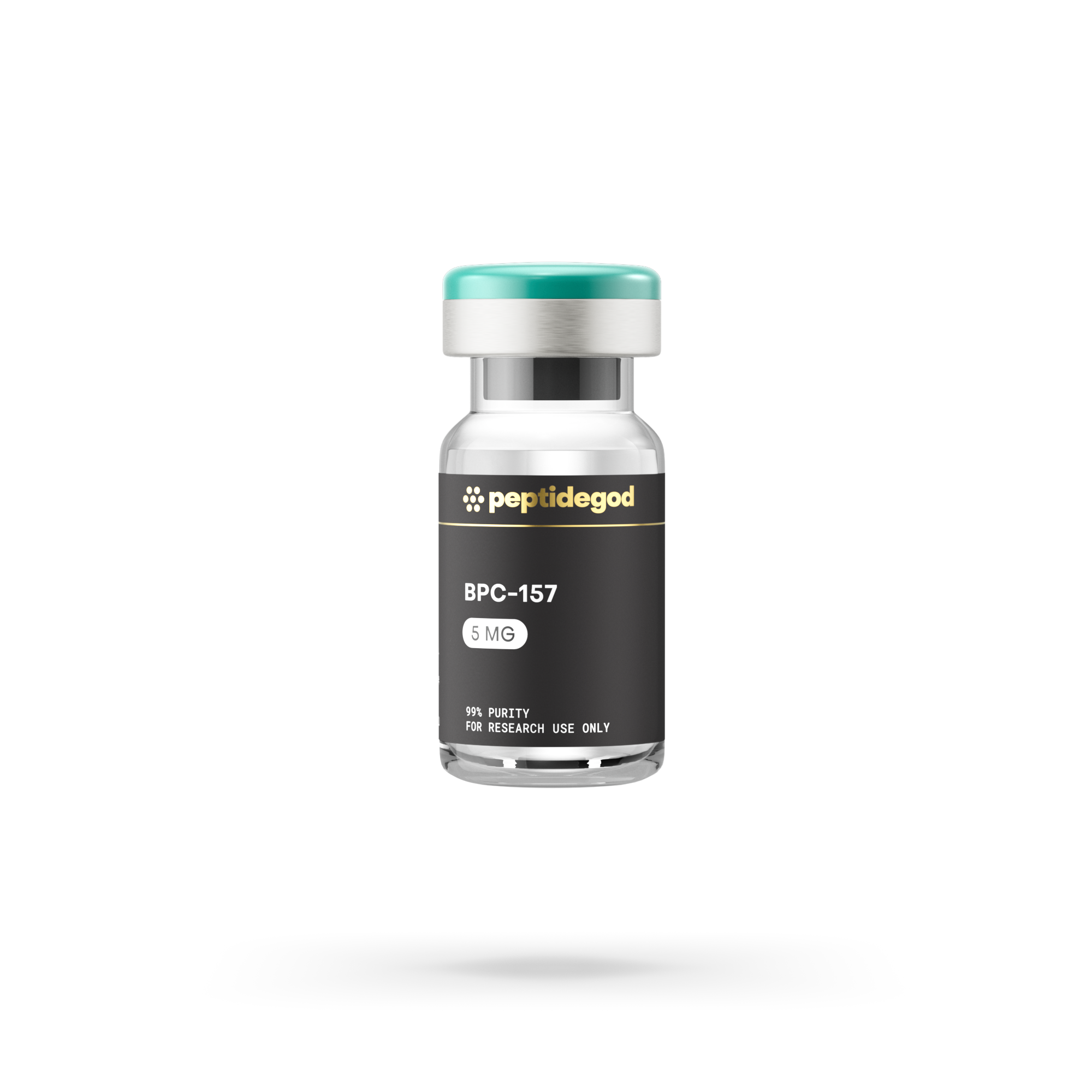
PeptideGod BPC-157 lyophilized vial. Competitive pricing, ships from California.
Looking for oral BPC-157 capsules or tablets online? We check whether reviewed vendors stock an oral form and explain what lyophilized vials actually are.

PeptideGod BPC-157 lyophilized vial. Competitive pricing, ships from California.
We look for a batch-level certificate of analysis published by the merchant.
Purity percentage and milligrams per vial as stated on the product page.
Clear research-use labeling, lot numbers and storage instructions.
Vials compared on price per milligram, not on sticker price.

PeptideGod BPC-157 lyophilized vial. Competitive pricing, ships from California.

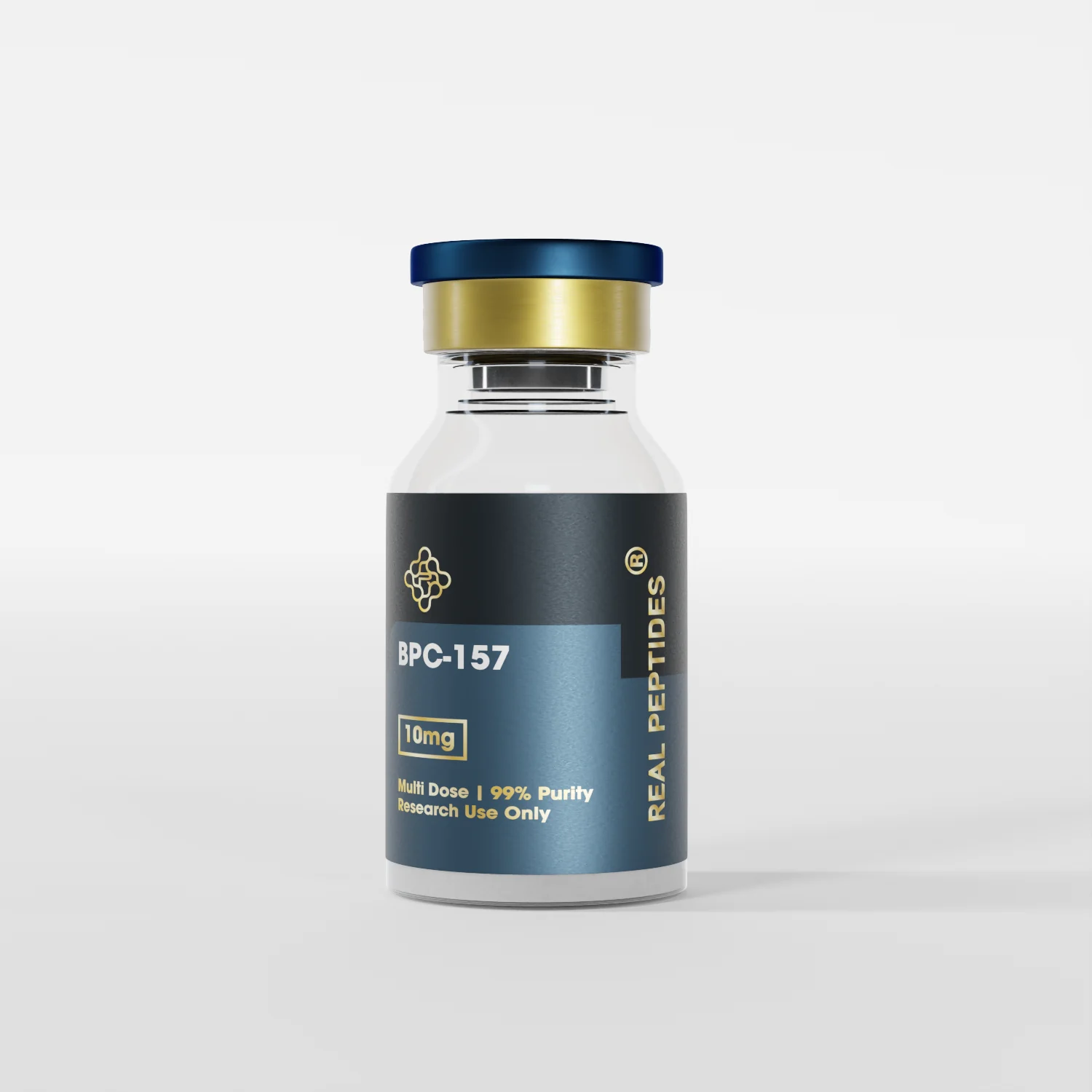
Real Peptides BPC-157 10mg vial with HPLC-verified purity and published COA.
| Product | Form | Size | Vendor | Ship from | Price |
|---|---|---|---|---|---|
| Peptide God BPC-157 | Lyophilized powder | 5mg vial | PeptideGod | USA (CA) | $34.95 |
| Real Peptides BPC-157 Peptide 10mg | Lyophilized powder | - | - | - | $43.20 |
If you search for oral BPC-157 for sale, you will find capsule listings, tablet products and a lot of marketing language designed to move units. What you will not find, at least from the two vendors we track closely, is an actual oral BPC-157 product. Neither PeptideGod nor Real Peptides sells capsules or tablets of BPC-157. Both sell lyophilized powder vials only. That distinction is the entire point of this page: what is actually available, what the published research says about oral routes, and why the online market looks the way it does right now.
The term "oral BPC-157" usually designates a tablet or capsule containing BPC-157 powder which is meant to be swallowed. When ingested, these products transport the peptide through the gastrointestinal tract, where it comes into contact with gastric acid and intestinal mucosa before any percentage of it has entered the systemic circulation. The beauty of such preparations is that they are easy to use: no need for reconstitution, injections, or bacteriostatic water.
Lyophilized powder vials belong to a separate category of products. The powder inside a sealed glass vial is made for reconstitution using sterile water. The vials have not been made for ingestion. There are no excipients, capsule shells, or enteric coating involved in the composition. Some users dissolve the contents of the vial in water and consume it, but this is not the intended use of this product.
In this context, "oral BPC-157 for sale" refers to a product that is in finished capsule or tablet form. By "lyophilized vial", we mean a research-grade powder that both of our verified vendors do indeed carry. The differences are important when analyzing price, understanding shipment paths, and adjusting expectations regarding what arrives in the mail.
No. Neither PeptideGod nor Real Peptides lists oral BPC-157 capsules or tablets. Both vendors sell BPC-157 exclusively as lyophilized powder in sealed vials. This was confirmed by reviewing every BPC-157 product listing on both sites as of October 2026. The table below makes the situation clear.
| Store | Form Available | Oral Product Listed | Notes |
|---|---|---|---|
| PeptideGod | Lyophilized powder vial (5 mg) | No | No capsules, tablets or oral formulations in catalog. BPC-157 sold for research reconstitution only. |
| Real Peptides | Lyophilized powder vial (10 mg) | No | No oral products listed. BPC-157 10 mg vial currently out of stock. Published COA covers powder form only. |
Individuals looking to buy BPC-157 capsules should seek stores other than the first two that matched your query. We focused on the vendors only that verify COA data and disclose prices and did not check capsule vendors. The capsule vendors found during our search did not meet the requirements we established. For details about PeptideGod and Real Peptides, check out our trusted online stores comparison.
The peptide market predominantly carries lyophilized powder instead of capsules for a very good reason. There are two reasons for this preference.
Lyophilization removes water from a peptide solution under vacuum, leaving behind a dry powder cake that resists degradation during storage and shipping. A sealed lyophilized vial stored at -20 degrees Celsius can maintain peptide integrity for 24 to 36 months. Capsules face more challenges. The peptide inside a capsule is exposed to excipients, residual moisture in the capsule shell, and whatever environmental conditions the bottle encounters during transport and storage. Heat, humidity and air exposure all accelerate peptide breakdown.
There is virtually no published stability data on BPC-157 capsule formulations. A search of peer-reviewed literature turned up no studies measuring BPC-157 stability within commercial capsules in room temperature conditions. By contrast, the stability of the lyophilized powder is very well-documented in scientific literature and has decades worth of related works in the peptide chemistry field.
Lyophilized vials sold as research chemicals occupy a specific regulatory niche. They are labeled "for research use only" and are not marketed for human consumption. This labeling allows vendors to sell peptides without making therapeutic claims and without subjecting the products to the FDA approval process required for drugs or dietary supplements. Capsules and tablets, by their very design, imply oral consumption. That implication creates regulatory exposure that most research peptide vendors prefer to avoid. Selling a capsule product blurs the line between research chemical and consumer supplement in ways that attract scrutiny from the FDA's enforcement apparatus.
The regulatory landscape demonstrates why companies with fewest problems with test documentation prefer to sell vials rather than capsules. This does not mean that capsules are inferior. It means that their licensing conditions entice the most forthcoming exporters to adopt the powder form.
Research has been conducted on BPC-157 via oral routes of administration in preclinical studies. Such animal data can be useful here, as it shows that the peptide withstands the GI tract and exhibits effects by mouth, even if there is currently no oral final product offered by any vendor investigated during our assessment.
A pharmacological review by Sikiric and colleagues documented oral gavage as one of the primary administration routes in BPC-157 animal studies (PMID 21295044). Rats received BPC-157 by mouth in models of gastric ulcers, inflammatory bowel lesions and mucosal injury. The peptide showed consistent protective effects across these models. Oral dosing produced outcomes comparable to intraperitoneal injection for gut-specific targets, though systemic plasma levels were lower with the oral route.
A distinct evaluation labelled BPC-157 as a "stable gastric pentadecapeptide" verified that it resists degradation in acidic gastric conditions and detailed its effectiveness in various organ systems in animal trials (PMID 29879879). The fact that the peptide is derived from proteins in human gastric juices gives it the biochemical foundation for being acid-stable, a trait that many medicinal peptides do not have at all.
Two significant points must be mentioned here, both of which can so be considered easily overlooked. First, all of the provided information stems from animal research. There exists no controlled human study that could measure any purpose of oral BPC-157. Second, in rats, oral gavage means special delivery directly into stomach through a tube. This does not mean the same as taking it in a capsule, even though both methods result in a similar outcome.
As neither vendor offers oral BPC-157 for purchase, we feel it is appropriate to examine their available products for those who are searching for alternatives. Both retailers provide lyophilized BPC-157 powder in vials, but their pricing and documentation level varies.
PeptideGod sells a 5 mg BPC-157 vial for $34.95, which puts the cost at $6.99 per milligram. The product ships from Westminster, CA. No Certificate of Analysis is linked from the product page. Real Peptides lists a 10 mg vial at $43.20, bringing the cost to $4.32 per milligram. The listing states HPLC-verified purity of 99% or higher with a lot-specific COA. That product is currently out of stock.
The price difference is massive. Real Peptides provides 38% greater value per milligram and online documentation of third-party testing, but the main problem is stock availability. PeptideGod has constant availability and lower prices, but higher cost per milligram and no testing transparency. Full vendor comparison can be done at main BPC-157 buying guide.
Before trying to use vials as an alternative to oral products, keep in mind that peptide solutions made by reconstituting the peptide are not meant for oral consumption. Reconstituted peptides are meant for research purposes, not for consumption. If you want to know the whole buying process for these vials, check out step-by-step ordering guide wherein we tell you about the buying process, from checkout to delivery.
No. There are no vendors providing oral BPC-157 capsules, tablets or any form of the supplement. Both of them only offer lyophilized powder vials. Every product listed on both vendors' sites has been checked and confirmed as of the date of writing (October 2026). If you find some non-catalogue information about oral BPC-157 capsules or tablets from either vendor on any other site, you should be suspicious.
That is incorrect. The lyophilized vial has been prepared with a freeze-dried peptide powder that can be reconstituted in sterile water; whereas the oral form comes in a powder that comes in capsule form or tablets suitable for ingestion. The storage conditions, formulation as well as the excipients used will be different in both cases. Some people may dissolve the vial power in a liquid and consume it, but that is not the purpose intended for the product and the vendor does not recommend this method.
Yes, in animal studies. Preclinical research used oral gavage to deliver BPC-157 directly to the stomach of rats, producing measurable protective effects on gastric and intestinal tissue (PMID 21295044). These are animal experiments, not human trials. No controlled study has tested oral BPC-157 in people.
There are three explanations. First, capsules are less stable than closed lyophilized vials. Secondly, the fact that capsules are meant for oral ingestion, brings regulatory problems for products indicated for "for research purposes only.” Third, most researchers prefer the possibility to control their dosage, while the data in the DoctorDerm copper peptide review shows how consumer peptide products use different approach in their formulations than research-grade vials do.
Yes. BPC-157 is not approved by the FDA for any human use. It has no completed human clinical trials establishing safety or dosing guidelines. Anyone considering BPC-157 in any form should discuss the decision with a licensed healthcare provider, particularly if they take prescription medications or have existing conditions. Nothing on this site constitutes medical advice.

Prices, sizes and ratings side by side, updated when the merchant pages change.
Shop BPC-157